Posts

Telescope Accessories: Zoom Eyepieces, Barlows, Focal Reducers, and Coma Correctors

Image
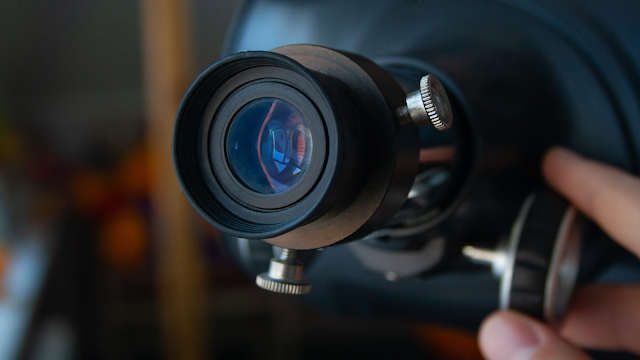
To optimize your telescope's performance and elevate your stargazing experiences, choosing the right telescope accessories is essential. Whether you're interested in zoom eyepieces for variable magnification, Barlow Lenses for increased power, focal reducers for wider views, or coma correctors for sharper images, each accessory serves a unique purpose in enhancing your astronomical observations. In this comprehensive guide, we will delve into the key considerations when selecting these telescope accessories. Zoom Eyepieces: Magnification Range: Zoom eyepieces offer a variable focal length range, allowing users to adjust the magnification seamlessly. Check the magnification range offered by the zoom eyepiece. It is typically represented as a range, such as 8-24mm or 7-21mm. Consider whether the magnification range suits your observing needs and aligns with your telescope's focal length. Optical Quality: The optical quality of a zoom eyepiece is crucial for producing clear an...
Enhance Your Saturn-Photography Experience - Tips and Tricks for capturing Saturn

Image
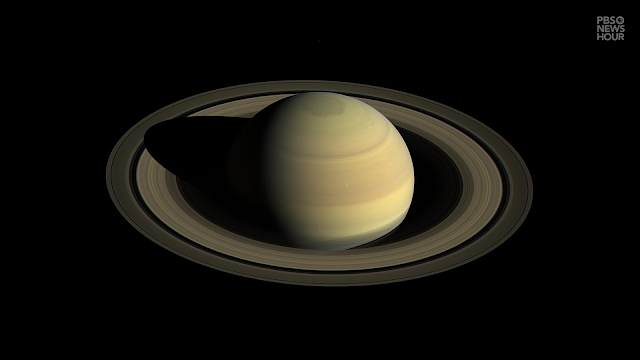
Saturn, the magnificent gas giant with its mesmerizing rings, has captivated astronomers and skywatchers for centuries. If you are eager to explore the beauty of Saturn and capture its brilliance with your telescope, I have compiled a list of tips and tricks to enhance your Saturn-gazing experience.   Choose the right equipment: Investing in a good quality telescope is crucial for optimal Saturn observations. Look for a telescope with a sturdy mount and a decent aperture size. A larger aperture will allow more light to enter the telescope, resulting in brighter and more detailed images of Saturn. Study Saturn's position and timing: Knowing Saturn's position in the night sky and the best times to observe it is essential for a successful viewing session. Use astronomical apps or websites to determine Saturn's current position and its rise and set times. Additionally, take note of Saturn's opposition, which occurs when it is opposite the Sun in the sky. During opposition, ...

Stellar Moonshots - Capturing the Moon's Brilliance, Tips and Tricks

Image
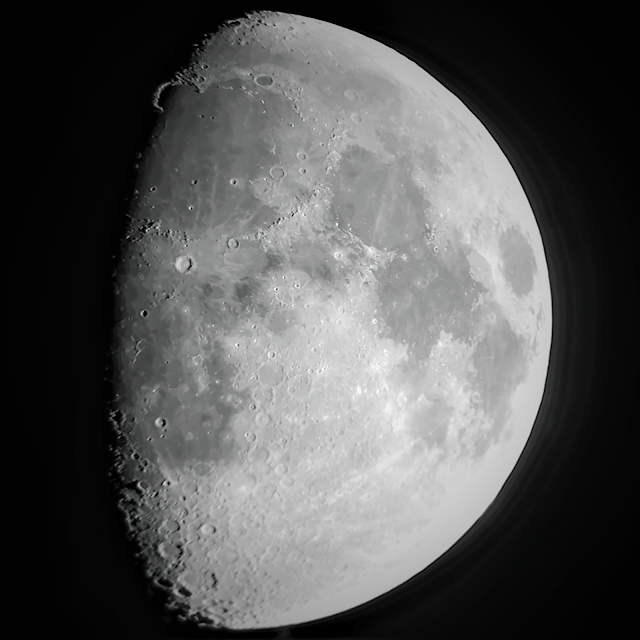
Here are some tips and tricks to enhance your moon-gazing experience and capture the moon's brilliance with your telescope: Choose the right equipment: Invest in a good quality telescope with a sturdy mount and a decent aperture size. A larger aperture will allow more light to enter the telescope, resulting in clearer and more detailed images of the moon. Learn about lunar phases: Understanding the moon's phases can help you plan your observation sessions. The most interesting features, such as craters and mountains, are often more prominent along the terminator (the line between light and dark), especially during the first quarter and last quarter phases. Use free software such as Stellarium, AstroHopper, and Virtual Moon Atlas to better understand and comprehend the beauty of lunar features. Experiment with magnification: Try using different eyepieces to vary the magnification level. Higher magnification can bring out finer details on the moon's surface, but it can also...

Stargazing Made Simple: The Best Mobile Apps for Identifying and Locating Stars

Image
The way we explore and comprehend the night sky has been completely transformed by technology. Astronomy enthusiasts now have strong tools available at their fingertips to explore the cosmos thanks to the development of cutting-edge software and smartphone applications. In this post, we will examine three well-liked astronomy-related apps that improve our stargazing experiences and give us useful knowledge and direction. These apps are Stellarium, AstroHopper, and NightShift. Stellarium: Stellarium is a well-known open-source planetarium software that displays the cosmos on your computer. With the help of this feature-rich application, users can simulate the night sky in real-time and view celestial objects like stars, planets, constellations, and even nebulae in incredibly precise detail. Users can change variables like time, place, and viewing viewpoint with Stellarium's customisable options. It is a priceless instructional tool for both beginning and experienced astronomers than...

Eyepiece Essentials: A Beginner's Guide to Choosing the Right Eyepieces

Image
Introduction:  To truly immerse ourselves in the beauty of distant stars, planets, and galaxies, selecting the right eyepiece for our telescopes becomes crucial. In this detailed guide, we will delve into the key considerations when choosing an eyepiece, ensuring that your stargazing experiences are both immersive and unforgettable. Understanding Eyepiece Basics: Eyepieces are optical components that play a pivotal role in determining the magnification, field of view, and overall visual quality of your telescope. They come in various designs, each with its own unique characteristics.  Focal Length and Magnification: The focal length of an eyepiece is a critical factor in determining the magnification power of your telescope. To calculate the magnification, divide the telescope's focal length by the eyepiece's focal length. It's important to strike a balance between high magnification, which offers detailed observations, and lower magnification, which provides wider views....

Astrophotography Editing Software: Exploring Tools and Techniques for Image Enhancement

Image
PIPP, AutoStakkert!, and RegiStax are three powerful software tools widely used in astrophotography for processing and enhancing planetary and lunar images. Together they form a comprehensive suite for achieving high-quality results. PIPP (Planetary Imaging PreProcessor) is the first step in image processing. It is primarily used for pre-processing and preparing individual video frames captured during planetary or lunar imaging sessions. PIPP helps in aligning, cropping, and cropping the frames, removing unnecessary frames, and enhancing the quality of the input data. It supports various video formats commonly used in astronomy, such as AVI and SER, and offers a range of options to optimize the alignment and cropping process. Once the video frames are pre-processed using PIPP, the next step is to align and stack them using AutoStakkert!. AutoStakkert! is an image alignment and stacking software specifically designed for planetary and lunar imaging. It uses advanced algorithms to align ...

Choosing a Telescope

Image
Introduction: Telescopes have played a crucial role in expanding our understanding of the universe. By collecting and analyzing light from celestial objects, these instruments help us to observe distant galaxies, study planetary systems, and unravel the mysteries of the universe. Over the centuries, numerous types of telescopes have been developed, each designed to capture and analyze light in different ways. Refracting Telescopes: Refracting telescopes, also known as refractors, are the earliest and most straightforward type of telescope. They use a lens to gather and focus light, forming an image at the eyepiece or camera. Refractors provide crisp, high-contrast images and are excellent for observing the Moon, planets, and double stars. However, they are limited in size due to the weight and cost of large lenses. Reflecting Telescopes: Reflecting telescopes, or reflectors, employ a curved mirror to gather and focus light. These telescopes are popular among amateur astronomers and ...